

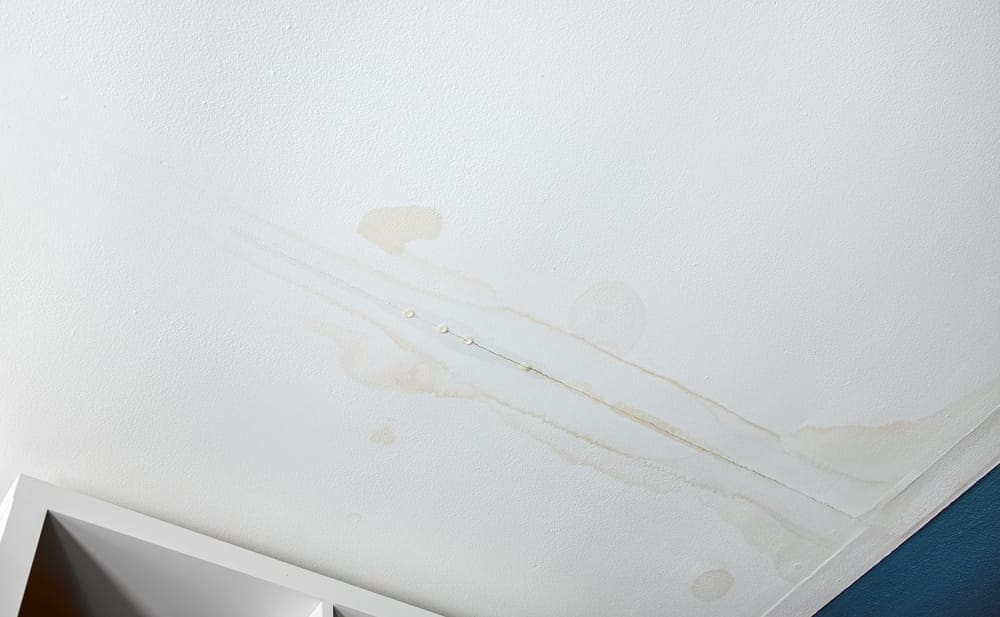
It usually catches you off guard. One day, the wall looks fine, and the next, there’s a stain that wasn’t there before or paint that feels slightly off. Nothing dramatic, just enough to make you pause. In a lot of DFW homes, those early signs of water damage in walls don’t feel urgent at first, which is exactly why they tend to stick around longer than they should.
Drywall doesn’t give you much time once moisture gets behind it. What looks small on the surface can move quickly underneath, especially in North Texas, where heavy rain, shifting clay soil, and even aging plumbing make it easier for moisture to get in. Most of the time, it shows up subtly at first, and that’s usually when the damage is still manageable.
In this guide, we’ll walk through what to look for, how to tell how far it’s gone, and when it makes sense to bring in a local drywall professional before it spreads further.
What are the early signs of water damage in walls?
Early signs of water damage in walls include discoloration or stains, bubbling or peeling paint, soft or warped drywall, musty odors, and visible mold. These signs often appear before major structural damage, making early detection critical to preventing more extensive repairs.
Why Drywall Is Especially Vulnerable to Water Damage
Drywall might look solid, but it breaks down quickly once moisture gets involved. It’s made from a gypsum core with paper facing, both of which absorb water easily, so it acts less like a barrier and more like a sponge when moisture gets behind it. As it absorbs water, it softens, loses strength, and begins to deteriorate from the inside out, often faster than most homeowners expect.
That’s what makes timing so important. Mold can begin forming on damp drywall within 24 to 48 hours, which means by the time a stain or surface change appears, the issue may already be developing behind the wall.
Homes across DFW are especially vulnerable. Slab foundations, expanding clay soil, and plenty of seasonal storms all increase the chances of moisture intrusion, and aging plumbing in areas like Allen, Frisco, and The Colony only adds to the risk.
Early Signs of Water Damage in Walls (What to Look For)
Most of the time, it’s not one big sign. It’s small changes that don’t quite look right at first, and those are usually where water damage starts to show up. Here are some of the most common early signs of water damage in walls to keep an eye on:
- Discoloration and Water Stains
- Bubbling or Peeling Paint
- Soft or Warped Drywall
- Musty or Damp Odors
- Visible Mold or Mildew
- Cracks Along Walls or Baseboards
- Unexplained Spikes in Your Water Bill
Each of these can point to a different type of moisture issue, and in many cases, they appear together rather than on their own.
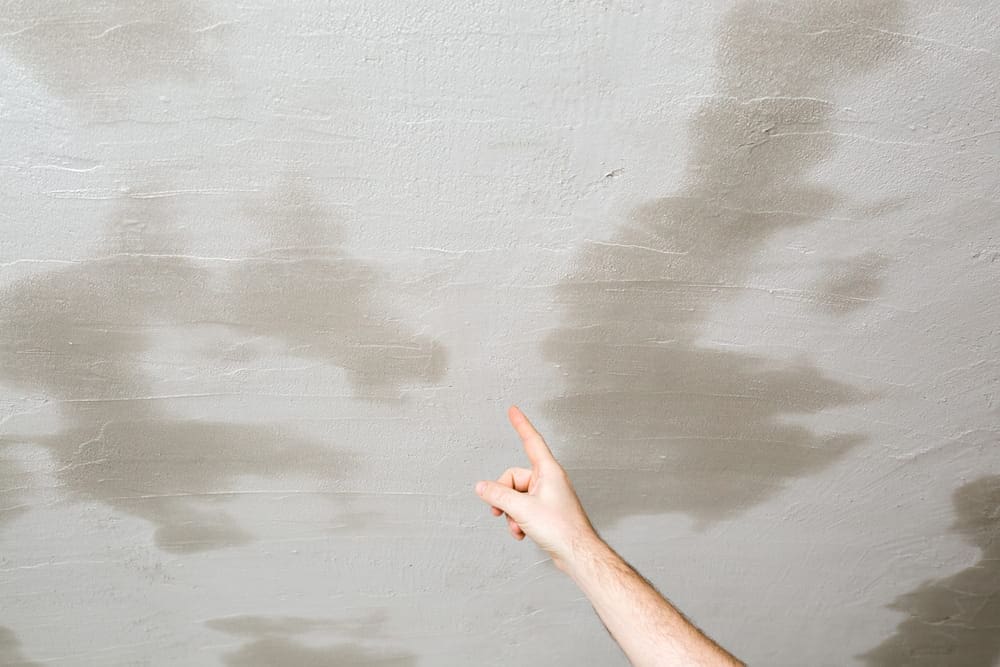
Discoloration and Water Stains
This is usually one of the first things people notice. A stain shows up out of nowhere, maybe yellow, brown, or slightly gray, and it doesn’t really make sense at first.
The shape of the stain can tell you a lot. Rings often point to a slow or intermittent leak, while darker patches suggest moisture has been sitting there longer. Stains near baseboards can be tied to foundation seepage, while ceiling spots tend to trace back to roof or plumbing issues. Even when it looks dry, there’s a good chance the source hasn’t fully stopped.
Bubbling, Peeling, or Flaking Paint
Bubbling, peeling, or flaking paint is a strong indicator that moisture has compromised the drywall surface.
As water seeps in, it breaks the bond between paint and wall, causing bubbles that often progress into peeling. Catching the issue early can limit repair costs. If bubbles feel soft or spongy, moisture is likely still active behind the wall.
Once repairs are made, restoring the wall to its original appearance often requires professional texture and paint matching to ensure the repaired area blends seamlessly with the surrounding surface.
Soft, Spongy, or Warped Drywall
Drywall should feel solid when you press on it. If it doesn’t, that’s a pretty clear sign moisture has already gotten in.
Soft or spongy areas mean the structure has started to break down. If you’re seeing warping or slight bowing, it’s usually been happening for a while, often from a slow leak that went unnoticed. At that point, the issue is rarely just surface-level.
Musty or Damp Odors
A persistent musty or damp smell often signals hidden moisture or early mold growth inside your walls.
These odors are typically strongest near exterior walls, under sinks, or in enclosed spaces such as closets. Even when surfaces look dry, the smell can indicate moisture trapped within the wall cavity.
For a quick check, remove an outlet cover and smell inside the wall (odors are usually more noticeable there). If the smell returns after cleaning, the underlying moisture issue is likely still present.
Visible Mold or Mildew Growth
Visible mold or mildew growth is a clear sign of ongoing moisture problems in drywall.
Mold often appears as black, green, or white spotting and tends to develop along seams, corners, or near baseboards where moisture accumulates. Under the right conditions, mold can begin forming within 24 to 48 hours of water exposure on drywall.
Beyond structural concerns, mold presents a health risk. According to EPA guidance, mold spores can negatively impact indoor air quality and are particularly harmful to children, older adults, and individuals with asthma or allergies.
Cracks in Drywall or Along Baseboards
Cracks in drywall or along baseboards can signal moisture-related structural movement or weakened materials. Clay soil expands when it gets wet and shrinks when it dries out, which can shift your foundation just enough to show up as cracks along walls, windows, or baseboards.
If those cracks show up alongside staining or soft drywall, moisture is likely part of the issue. Baseboards that feel loose or warped can also point to water settling lower in the wall.
Unexplained Spikes in Your Water Bill
Not every warning sign is something you can see. Sometimes it shows up on your water bill first. If your usage starts climbing without any real change in how you’re using water, there’s a chance something is leaking behind the walls. Even a slow, steady drip can add up over time and lead to drywall damage, especially when it’s combined with other signs discussed before.
How to Gauge the Severity: Early vs. Advanced vs. Severe Drywall Water Damage
Once you start noticing changes in your drywall, the next question is how far it’s gone. Not every stain or soft spot means major repairs, but it helps to understand where things fall so you can respond appropriately.
Here’s a simple way to look at it:
| Damage Stage | Key Signs | Recommended Action |
| Early | Faint discoloration, slight paint bubbling, musty odor | Inspect the area, use a moisture meter if possible, and monitor for changes |
| Advanced | Soft or spongy drywall, peeling paint, small mold spots | Bring in a drywall professional and consider mold testing |
| Severe | Warping, sagging, large mold growth, crumbling drywall | Immediate professional restoration, often requiring partial or full replacement |
Most homeowners catch water damage somewhere between the early and advanced stages. The sooner you step in, the more likely it is that you can limit how much drywall needs to be replaced instead of dealing with full-on disruptive tear-out in the future.
How to Check for Hidden Water Damage in Drywall
If you suspect hidden water damage behind your drywall but don’t see any obvious damage yet, there are a few simple ways to check before things get worse.
The Touch Test
Start with the most straightforward check. Press gently on the area you’re concerned about. If the drywall feels soft, spongy, or slightly sunken, moisture has likely already made its way inside.
The Tap Test
A simple knock on the wall can actually tell you more than you’d expect. Drywall should sound solid and consistent. If you hear a hollow or dull sound in a spot that shouldn’t have one, it can point to deterioration behind the surface.
Using a Moisture Meter
If you want something more precise, a moisture meter can give you a clear reading. These are easy to find at most hardware stores and don’t require much experience to use. If you have a reading above 15%, this typically means you have moisture present.
Pin-type meters tend to work best since they measure below the surface instead of just reading the outer layer.
Thermal Imaging Inspection
This is where professionals step in. Thermal imaging cameras can detect temperature differences inside your walls, which often point to hidden moisture.
It’s not something most homeowners will use themselves, but it’s one of the more effective ways to track down water that hasn’t shown up on the surface yet.
Common Causes of Drywall Water Damage in DFW Homes
Once you know what to look for, it helps to understand where the moisture is coming from. In DFW, a lot of these issues tie back to how homes are built and how the environment behaves throughout the year.
- Plumbing Leaks
This often starts behind the wall. Slow pipe leaks are one of the most common causes, especially in older homes around Plano, Frisco, and McKinney, and they can go unnoticed until drywall starts showing signs. - Roof Leaks
After storms, hail, or strong winds, even minor roof damage can let water in. A ceiling stain that appears out of nowhere is usually the first clue. - HVAC Condensation
When condensate lines don’t drain properly, water can drip behind walls for months. It often goes unnoticed during long cooling seasons until damage becomes visible. - Foundation Movement
Clay soil in the DFW area expands when wet and contracts when dry. That movement can create small gaps where moisture slowly works its way in. - Poorly Sealed Windows and Doors
Worn or failing caulking can let rain in during storms, especially when wind pushes water against the exterior. - Appliance Leaks
Dishwashers, water heaters, washing machines, and refrigerator lines can all leak over time, quietly affecting the drywall around them.
Most of these don’t start as major issues. It’s the combination of time and missed early signs that turns them into bigger repairs.
When to Call a Drywall Professional in the DFW Area
There’s a point where it stops being something to monitor and starts being something that needs attention. If you’re seeing or noticing any of the following, it’s usually time to bring in a professional:
- You can feel or see soft, warped, or crumbling drywall
- Mold or mildew is visible, even in small areas
- A musty odor keeps coming back after cleaning or ventilation
- Stains continue to spread or return after being painted over
- Your water bill has increased without a clear reason
- Your home has recently dealt with flooding, roof damage, or an appliance leak
In areas like Plano, Frisco, McKinney, Allen, Prosper, and The Colony, these issues tend to escalate quickly if left unaddressed. The longer the moisture sits behind the wall, the more time it has to spread further.
That’s why response time matters. When you start noticing these signs, the sooner we can take a look, the more we can limit how far the damage spreads. At Drywall Doctor, we handle drywall issues like this across the area every day, so we know what to look for and how to catch problems before they turn into something bigger.
The early signs of water damage in walls are easy to brush off, until they’re not. That’s why we take a different approach at Drywall Doctor DFW, catching the problem early and handling it the right way through our drywall services before it has a chance to spread. Contact us today for help repairing water damaged drywall!
Frequently Asked Questions About Water Damage in Drywall
What are the first signs of water damage in drywall?
The first signs are usually subtle and easy to miss, such as stains, bubbling paint, or a slight musty smell. In some cases, the wall may feel softer than normal. These early changes tend to pop up right before the damage becomes more obvious.
How long does it take for water to damage drywall?
Drywall can start absorbing moisture almost immediately, and damage can begin within hours. Mold can start forming within 24 to 48 hours if the area stays damp, which is why early detection makes such a difference.
Can water-damaged drywall be repaired, or does it need to be replaced?
It depends on how far the damage has gone. Minor issues can often be repaired, but if the drywall is soft, warped, or has mold growing, replacement is usually the better option to avoid ongoing problems.
Is water-stained drywall a health risk?
A stain by itself isn’t always a health risk, but it can signal moisture behind the wall where mold may be developing. If there’s a persistent odor or visible growth, it’s worth having it checked to protect indoor air quality.
How do I know if I have mold behind my drywall?
You won’t always see it right away, but if you start noticing signs like a musty smell or parts of the drywall that are soft, these can point to hidden mold. If the smell is stronger inside the wall cavity, that’s usually a clear indicator.
Does homeowners’ insurance cover water-damaged drywall?
It depends on the cause. Sudden issues like burst pipes are often covered, while long-term leaks or neglected maintenance usually are not. It’s always best to check your specific policy.
How much does it cost to repair water-damaged drywall?
Costs can vary depending on the size of the area and how severe the damage is. Small repairs are usually straightforward, but larger sections or mold-related issues can increase the overall cost.
Can I paint over water-damaged drywall?
Giving the drywall a fresh coat, unfortunately, doesn’t fix the problem. If the moisture source hasn’t been addressed, the stain or damage will usually come back. It’s better to resolve the issue first before working on any cosmetic improvements.