

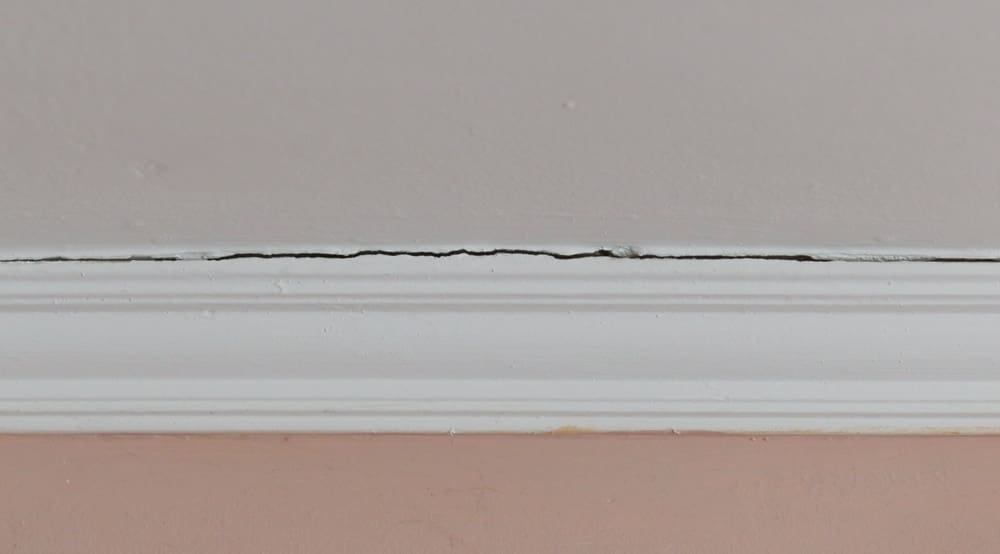
Settling cracks in house drywall are extremely common in Dallas because North Texas clay soil expands and contracts with changing weather conditions. During dry seasons, the soil shrinks. After heavy rain, it swells again, placing stress on your foundation, framing, and drywall.
Most house settling cracks in ceilings and walls are cosmetic and can be repaired with the right materials and techniques. The key is knowing the difference between normal settling and signs of a larger structural problem.
In this guide, we’ll explain what causes settling cracks, how to fix cracks in walls from house settling, and when it makes sense to call experienced drywall professionals for help.
What Are Settling Cracks in Houses?
Settling cracks are small separations that appear as a home naturally shifts over time. These cracks often show up in drywall, ceilings, corners, brick, and around doors or windows.
Most settling cracks:
- Are hairline to 1/8 inch wide
- Form gradually over time
- Appear near doors, windows, ceilings, or corners
- Stay mostly cosmetic
How House Settling Causes Cracks
Expansive clay soil is one of the leading causes of settling cracks in houses in Dallas. As the soil moves beneath the foundation, small shifts can create pressure points throughout the home. Drywall is rigid, so it can crack when the structure underneath moves. This is especially common in newer homes during the first 1–2 years, though older homes can also develop cracks from seasonal soil movement.
In North Texas, settling cracks are more common after long dry periods followed by heavy rainfall.
Normal vs. Concerning Settlement Patterns
Normal settling cracks are usually:
- Thin and shallow
- Isolated to one area
- Stable after repair
More serious cracks may:
- Continue growing over time
- Exceed 1/4 inch wide
- Cause doors or windows to stick
- Appear alongside sloping floors
Types of House Settling Cracks by Location
Different crack patterns can reveal how and where movement is occurring.
Wall Settling Cracks
House settling cracks in walls typically occur where drywall panels meet or when framing shifts slightly. Examples include:
- Vertical cracks near corners
- Diagonal cracks extending from windows or doors
- Horizontal stress cracks along drywall seams
Ceiling Settling Cracks
House settling cracks in ceiling areas are common in rooms with larger spans or during seasonal changes in attic temperature. Examples include:
- Along ceiling-to-wall joints
- Around light fixtures
- Across long ceiling seams
Brick and Exterior Settling Cracks
Exterior settling signs may include:
- Stair-step brick cracks
- Mortar joint separation
- Small gaps near windows or garage doors
How to Fix Cracks in Walls From House Settling (Step-by-Step)
Many homeowners wonder how to fix cracks in drywall from house settling on their own. The good news is that it is possible to repair small settling cracks yourself if the damage is cosmetic and stable.
Here’s what you need to know:
Tools and Materials Needed
For most drywall repairs, you’ll need:
- Utility knife
- Putty knife
- Sanding sponge
- Mesh drywall tape
- Flexible joint compound
- Paintable caulk
- Primer and matching paint
Preparing Cracks for Repair
Skipping preparation is one of the biggest reasons settling crack repairs fail. Before repairing drywall:
- Remove loose debris or peeling paint
- Slightly widen thin cracks with a utility knife
- Clean the dust from the area
- Apply primer if needed
Repair Techniques by Crack Size
For very small cracks:
- Apply paintable flexible caulk
- Smooth with a putty knife or finger
- Allow to dry before painting
For wider cracks, up to 1/8 inch:
- Apply mesh tape over the crack
- Spread a thin coat of joint compound
- Let dry completely
- Sand lightly
- Apply a second coat if needed
- Prime and paint
How to Fix Settling Cracks in Ceilings
Ceiling repairs can be more difficult because gravity works against you during the repair process. Small mistakes also tend to stand out more overhead, especially on textured ceilings.
Fortunately, most ceiling settling cracks can still be repaired successfully with careful preparation and patience. Here’s how to fix cracks in the ceiling from house settling:
Safety Precautions for Ceiling Work
Before starting ceiling repairs:
- Use a stable ladder on flat flooring
- Wear eye protection to prevent falling dust from entering your eyes
- Use proper lighting to spot uneven areas
- Avoid overreaching while sanding or applying compound
Tip: If the crack runs across a large section of the ceiling or continues to widen, it’s best to seek a professional evaluation before attempting repairs.
Ceiling-Specific Repair Steps
For small ceiling cracks:
- Remove loose drywall compound or paint
- Apply mesh tape over the crack
- Spread thin layers of lightweight joint compound
- Allow each coat to dry fully
- Sand carefully between coats
- Match the ceiling texture before painting
Flexible caulk often works best along ceiling-wall joints where ongoing movement is expected.
For textured ceilings, matching the texture is usually the hardest part of the repair. Spray texture products can help blend smaller patches, but larger repairs may require professional finishing for a seamless look.
If recurring ceiling cracks continue to appear, call a professional ceiling repair company to identify any hidden drywall or framing issues that may be causing repeated movement.
Common Mistakes When Fixing Settling Cracks
Many DIY repairs fail because the crack itself was treated, but the movement behind it wasn’t considered.
Using Wrong Repair Materials
Standard drywall mud may not hold up against flexible cracks. As the house shifts again, rigid repairs can reopen quickly. Use mesh tape, flexible compound, and paintable caulk to create longer-lasting repairs.
Insufficient Surface Preparation
Spending extra time during preparation usually produces smoother and more durable results. Without cleaning, widening, and properly reinforcing the crack:
- Compound may not bond correctly
- Cracks may reappear
- Paint lines can remain visible
When to Call Professional Drywall Contractors
Some settling cracks in your house are simple cosmetic issues. Others may point to larger structural movement that needs professional attention.
It’s time to contact an experienced professional drywall contractor when:
- Cracks are wider than 1/4 inch
- Cracks keep returning after repair
- Multiple cracks appear throughout the house
- Doors or windows suddenly stick
- Floors begin sloping
- Brick cracks continue spreading
Warning Signs of Structural Issues
Cracks in the roof from house settling or large stair-step brick cracks can sometimes indicate foundation movement rather than normal cosmetic settling.
A structural evaluation may be necessary if you notice:
- Large diagonal cracks
- Widening gaps
- Uneven floors
- Recurring separation around doors and windows
Benefits of Professional Repair
Professionals know how to identify when cracks are likely to reappear due to active structural movement. Their repair work provides:
- Smoother finishing and texture matching
- Stronger long-term repairs
- Proper material selection
- Faster project completion
- Experienced assessment of recurring damage
Need help with recurring settling cracks in your house? Contact Drywall Doctor for an expert assessment and estimate. With decades of experience, we look forward to saving you the stress and time of risky DIY house-settling crack repair.
Frequently Asked Questions About Settling Cracks
How can you tell whether cracks are due to normal house settling or foundation problems?
Normal settling cracks are usually hairline to 1/8 inch wide and develop slowly over time. They often appear around ceilings, doors, windows, and drywall seams. Foundation-related cracks are typically wider, continue growing, or appear alongside sticking doors, uneven floors, or recurring separation after repairs.
How long does house settling take, and when do cracks stop appearing?
Most new homes settle during the first 1–2 years after construction. However, Dallas homes can continue developing settling cracks over time because clay soil expands and contracts with changing moisture levels and temperatures.
Can I just paint over small settling cracks instead of repairing them?
Paint alone usually will not stop settling cracks from returning. Even small cracks should be cleaned, reinforced, and repaired properly before painting. Proper preparation and using flexible fillers help create longer-lasting results.
Are settling cracks covered by homeowner’s insurance?
In many cases, standard homeowner’s insurance policies consider normal settling to be routine maintenance and may not cover cosmetic drywall cracks. If the damage is connected to a covered structural issue, such as sudden foundation damage, some coverage may apply depending on the policy.
How much does professional settling crack repair cost in Dallas?
The cost of professional house settling crack repair typically varies based on crack severity, ceiling height, texture-matching needs, and the amount of drywall finishing required. DIY repairs are usually less expensive upfront but may require repeated repairs if the underlying movement continues.