
Key Takeaways: Types of Interior Wall Textures
- Common Wall Textures: Knockdown, orange peel, skip trowel, and smooth finishes are common interior wall texture types. Popcorn is typically found on ceilings.
- Texture Identification: Identifying your texture helps determine the right drywall repair method. Mismatched patterns or depth can make patches stand out.
- Repair Techniques: Each texture requires specific tools, application methods, and proper surface preparation.
- Professional Texture Matching: Larger repairs and hand-applied textures can be harder to blend, especially in areas with strong natural light.
Most homeowners don’t think much about wall texture until they have a hole or crack to repair. That’s when the differences between interior wall texture types start to matter. You can patch the hole perfectly and still notice the repair if the surrounding texture doesn’t match.
At Drywall Doctor, we help homeowners throughout Dallas-Fort Worth repair textured walls and ceilings while matching their existing finishes. In this guide, we’ll break down the most common wall textures, how they’re applied, and what it takes to match them during a repair.
The Most Common Interior Wall Texture Types
You can identify different types of interior wall texture by looking at the size, shape, and spacing of the patterns. Here are five finishes you might recognize in your home:
1. Knockdown Texture
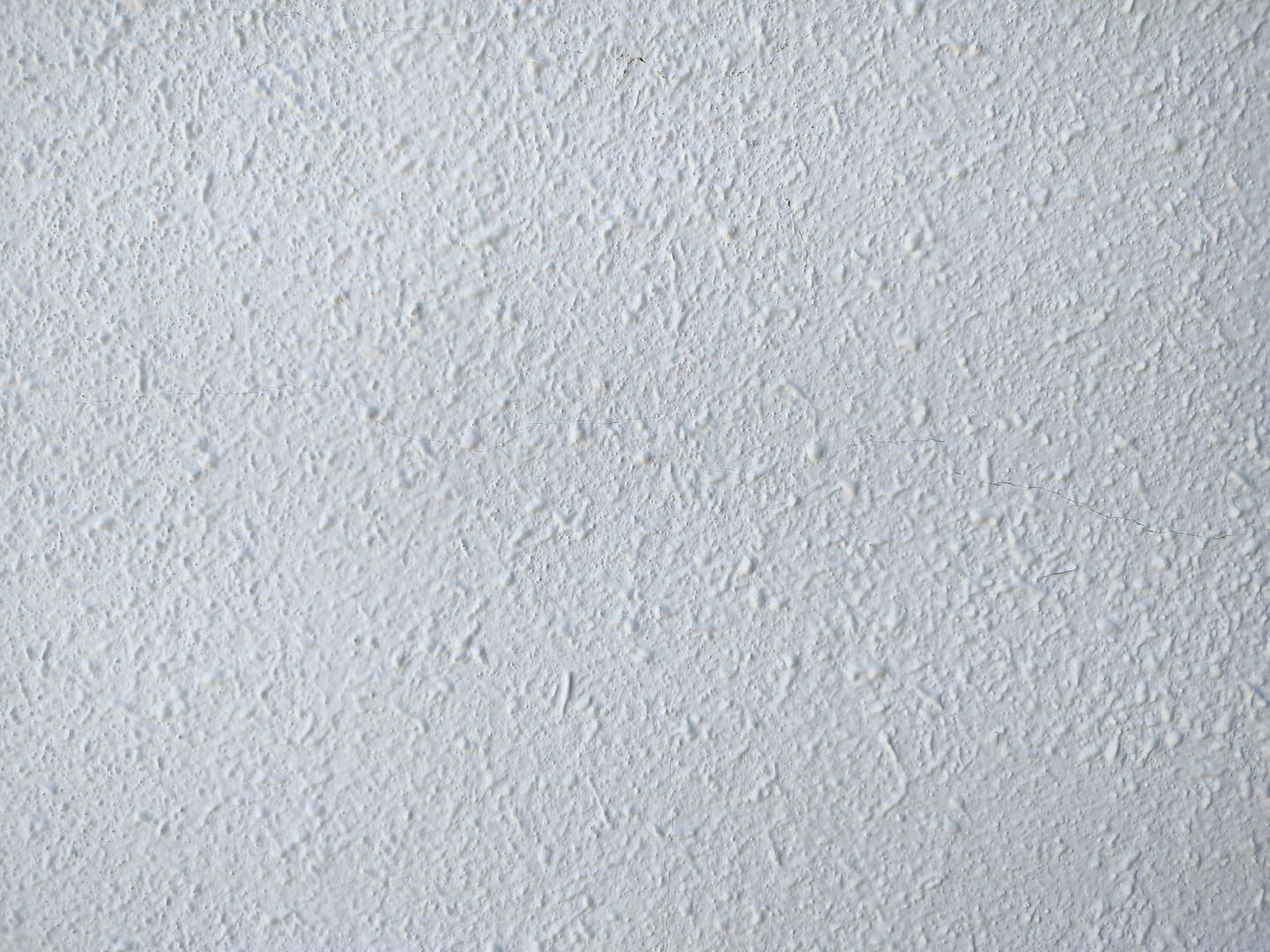
Knockdown has irregular, flattened patches with shallow grooves, giving walls a slightly raised, stucco-like appearance. You’ll often find it on walls and ceilings throughout the home. The size and spacing of the flattened areas help distinguish it from finer textures like orange peel.
2. Orange Peel Texture
Orange peel gets its name from the small, rounded bumps that resemble the skin of an orange. Unlike knockdown, these bumps aren’t flattened, giving the wall a finer, more uniform appearance. You’ll often see this subtle texture on residential walls, including bedrooms and bathrooms.
3. Skip Trowel Texture
Skip trowel has an irregular finish with raised patches and smoother areas between them. Unlike the more evenly distributed bumps of orange peel, its pattern varies across the wall. You’ll often see this finish in custom homes and Mediterranean-style interiors.
4. Smooth and Flat Finishes
Smooth walls have little to no visible texture, making them popular in modern homes. Achieving this look takes careful application and sanding of joint compound, sometimes with a Level 5 finish that adds a thin skim coat or equivalent treatment for a more uniform surface. Without texture to hide imperfections, even small ridges or sanding marks can show after painting.
5. Popcorn Texture (Ceilings)
Popcorn texture has a coarse, bumpy appearance and is most common on ceilings in older homes. It helps hide minor imperfections, but matching the pattern during repairs can be tricky. Some older popcorn ceilings may contain asbestos.
If you suspect asbestos, have an accredited asbestos professional assess the ceiling before any popcorn ceiling repair or removal that could disturb it.
How Drywall Texturing Is Applied
Drywall texturing involves applying joint compound to a wall or ceiling to create a specific pattern. The method depends on the texture, but proper preparation helps achieve a consistent finish.
Spray-Applied Textures (Orange Peel and Knockdown)
Contractors typically apply orange peel and knockdown textures using a hopper gun connected to an air compressor. Orange peel creates small, rounded bumps, while knockdown involves flattening the sprayed compound after it partially sets. Spray pressure, nozzle size, and compound consistency determine the final pattern.
Hand-Applied Textures (Skip Trowel)
To create skip trowel texture, contractors drag a finishing trowel across wet joint compound, leaving irregular raised patches. The trowel’s angle and movement change the pattern, making each application slightly different and repairs harder to blend with the surrounding wall.
Priming Before Texturing
Professional contractors start by repairing holes or cracks. Then they let the joint compound dry before sanding the surface smooth. Depending on the texture product, a primer or sealer is applied before texturing. Once the texture dries, apply the appropriate primer to help the paint cover evenly.
How to Match a Texture When Repairing Drywall
Identify the Existing Texture: Drywall repair professionals look closely at the pattern, including the size and spacing of raised areas. They check the wall under different lighting, since shadows can make textures appear deeper than they are.
Prepare the Damaged Area: Next, they apply joint compound over the repair and feather its edges into the surrounding wall. Once dry, they sand the patch so no raised edges show beneath the new texture.
Apply and Blend the Texture: They pay close attention to its depth and spacing to recreate the surrounding pattern. They feather the new texture beyond the patch as needed, then prime and paint it once it dries to match the existing color and sheen.
Even when the texture matches, a difference in paint color or sheen can give away the repair. That’s why our drywall repair and texture and paint matching services account for the surrounding finish, including corner-to-corner paint matching when needed.
Common Texture Repair Mistakes (and How to Avoid Them)
Skipping Primer: Bare drywall and joint compound can absorb moisture and paint unevenly. Follow the texture product’s preparation instructions and prime the repaired surface before painting.
Applying Texture Too Thick: Applying too much compound can leave a patch noticeably thicker than the surrounding texture and increase drying time. Use a consistent application thickness that matches the existing finish.
Matching the Pattern but Not the Depth: A knockdown patch may have the right pattern but still look too raised or too flat. Compare the height of the new texture with the surrounding finish before painting.
Using Aerosol Texture on Large Repairs: Spray cans may work for small touch-ups, but matching the pattern across a larger patch can be difficult. A hopper gun offers greater application control.
Leaving Visible Patch Edges: Stopping the new texture at the edge of the patch can leave a noticeable outline. Extend and feather the pattern into the surrounding finish for a more gradual transition.
When to Call a Professional for Drywall Texture Work
Small touch-ups may be manageable on your own, but some texture repairs are harder to get right without professional help:
Larger skip trowel repairs require careful matching of the hand-applied pattern.
Repairs near windows can show uneven texture or patch edges under natural light.
Popcorn ceiling removal and full-room retexturing require careful prep and consistent application.
Water-damaged walls or ceilings may need repairs beyond texture matching, and you must fix the moisture source before drywall or ceiling repair can restore the original finish.
Get Professional Drywall Repair
If you’re struggling to match your existing wall texture, our team at Drywall Doctor is ready to help. We assess drywall damage and match interior wall texture types for homeowners throughout Dallas-Fort Worth. Get started today and book your free estimate.
FAQs - Drywall Texture Types
What are the most common interior wall texture types?
The most common interior wall textures are knockdown, orange peel, skip trowel, and smooth (flat) finishes. Popcorn texture is also common in older homes, but it’s mainly used on ceilings rather than walls.
How can I tell what texture is on my walls?
Look at the size, shape, and spacing of the pattern. Orange peel has small, rounded bumps that look evenly spread. Knockdown has larger, flattened patches with a slightly raised, stucco-like look. Skip trowel has irregular raised patches with smooth areas in between. Check the wall under different lighting, because shadows can make the texture look deeper than it is.
What’s the difference between knockdown and orange peel texture?
Both are usually sprayed on with a hopper gun. Orange peel is left as small, rounded bumps. Knockdown is flattened with a knife after the compound partly sets, which creates wider, flatter patches with shallow grooves.
Why does my drywall patch still show after it’s been painted?
The texture usually doesn’t match the surrounding wall in pattern or depth, or the edges weren’t feathered into the existing finish. Differences in paint color or sheen can also give a repair away, even when the texture matches well.
Can I use aerosol spray texture to repair my walls?
Aerosol texture works well for small touch-ups. For larger repairs, a hopper gun gives you more control over the pattern and depth, which makes the patch easier to blend.
Do I need to prime drywall before and after texturing?
Yes. Prepped joint compound may need a primer or sealer before texturing, depending on the product. After the texture dries, prime it again before painting. If you skip primer, the bare compound absorbs paint unevenly and the patch can show through.